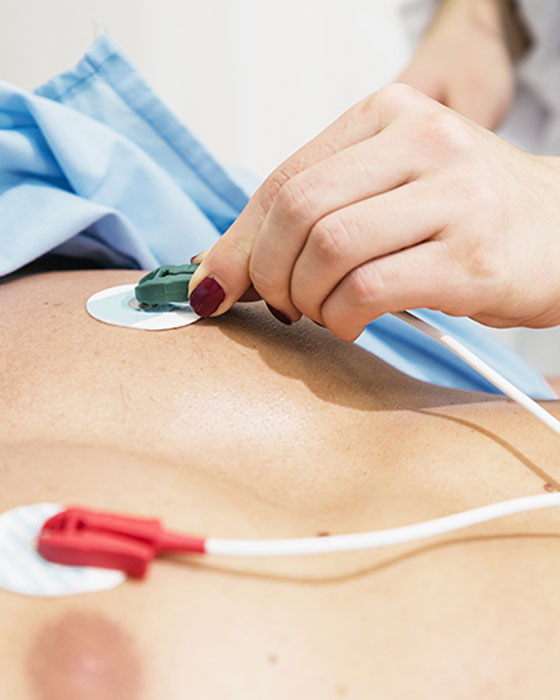
This research sought to determine ethnic differences in angiography and revascularisation rates among 50,324 30–84-year-olds hospitalised with an acute coronary syndrome (ACS) in New Zealand between 2007 and 2012. Patients’ ethnicities were Māori (10%), Pacific (4%), Indian (3%) and New Zealand European or Other (NZEO, 83%). Compared with all other ethnicities, Māori were admitted more often to hospitals without catheterisation facilities (48% vs 36% of NZEO, 19% of Pacific people and 14% of Indian patients). Māori and Pacific patients had a higher comorbidity burden (22–24%) compared with NZEO and Indian patients (12–13%). Multilevel Cox regression, accounting for individual factors and admitting hospital, was used to estimate adjusted procedural rates within 30 days of admission. Māori and Pacific were less likely than NZEO patients to undergo angiography (adjusted HRs 0.94 [95% CI, 0.91 to 0.98] and 0.93 [95% CI, 0.87 to 0.98], respectively) and revascularisation (adjusted HRs 0.79 [95% CI, 0.75 to 0.83] and 0.77 [95% CI, 0.71 to 0.83]), even after adjusting for important demographic and clinical factors.