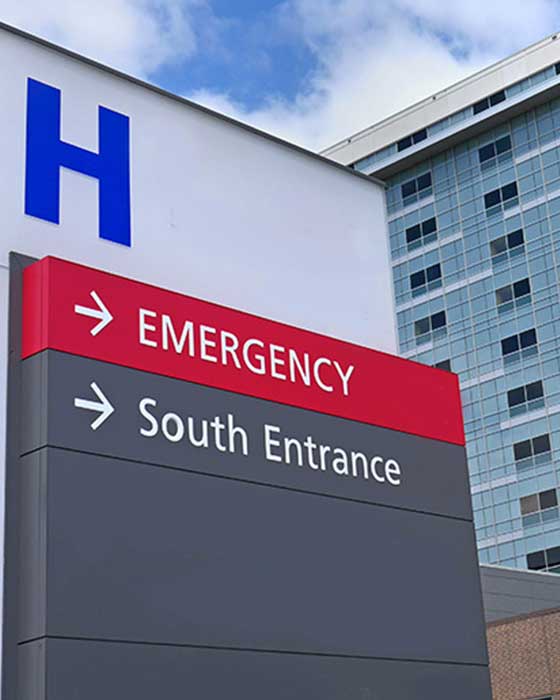
systematic review of 14 published papers spanning two decades of qualitative research investigated the experiences of Māori in the public health and/or hospital system in Aotearoa New Zealand. For many Māori, the existing public health system was described as hostile and alienating. Barriers to health included organisational structure, poor staff interactions and practical considerations of cost, transport and time. Facilitators to health included support from whānau members in terms of practical assistance, emotional wellbeing and help navigating the healthcare system.
One thing that stood out for me here was that whānau were providing so much resource – as practical assistance (travel, care at home, financial), emotional support and navigation. I acknowledge the privilege of caring for whānau with health issues but also want to emphasise that it can also be a burden – on finances, relationships and one’s own health. Please think about ways to mitigate the burden including how we can care for the caregivers.
Independent commentary by Dr. Matire Hardwood
Dr Matire Harwood (Ngapuhi) has worked in Hauora Māori, primary health and rehabilitation settings as clinician and researcher since graduating from Auckland Medical School in 1994. She also holds positions on a number of boards, committees and advisory groups including the Health Research Council. Matire lives in Auckland with her whānau including partner Haunui and two young children Te Rangiura and Waimarie.
Research Review publications are intended for New Zealand health professionals.
Disclaimer: This publication is not intended as a replacement for regular medical education but to assist in the process. The reviews are a summarised interpretation of the published study and reflect the opinion of the writer rather than those of the research group or scientific journal. It is suggested readers review the full trial data before forming a final conclusion on its merits.