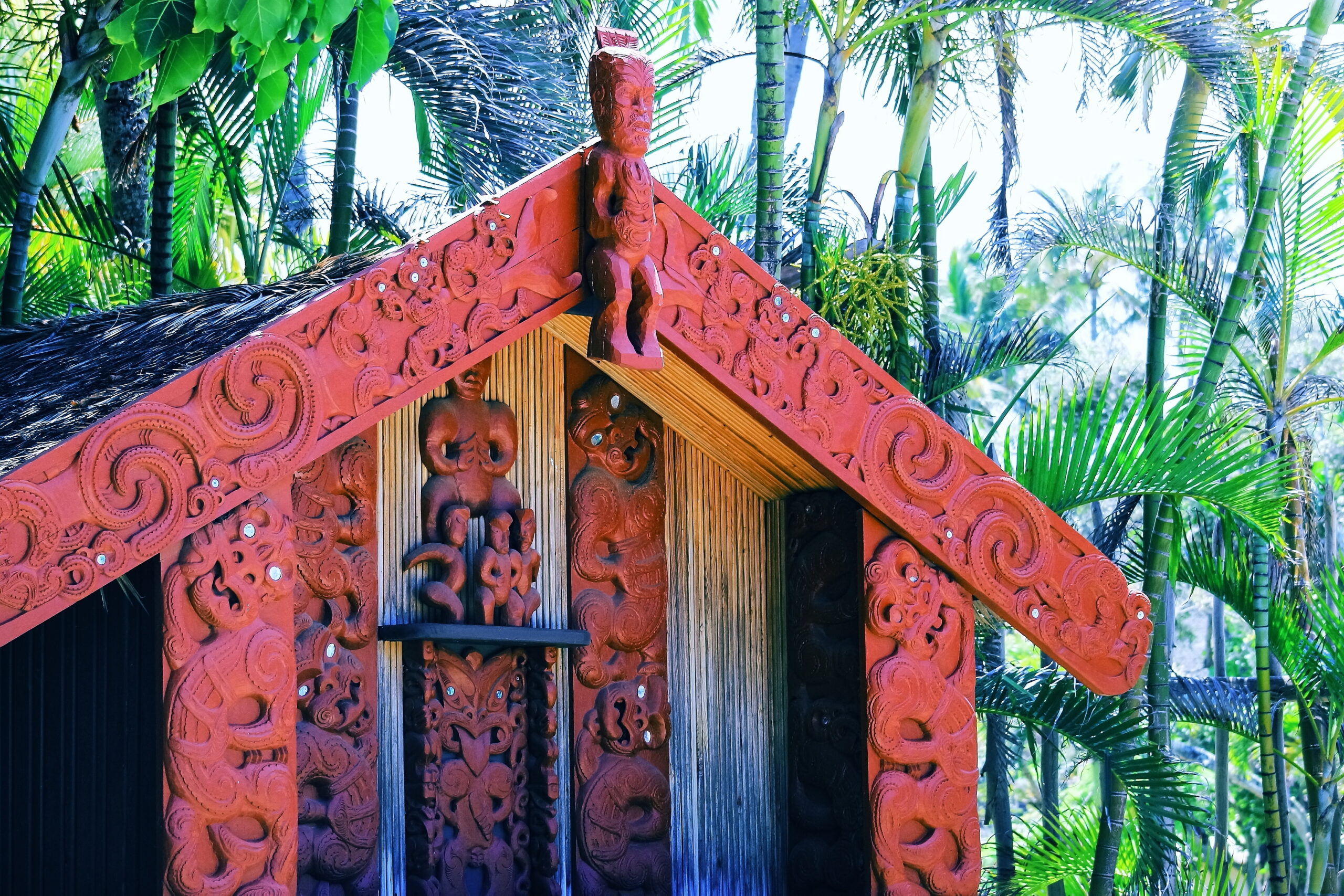
This paper reports on the processes and protocols that were developed in the design and implementation of the Hauora Manawa Project, a cohort study of heart disease in New Zealand. The study applied a Kaupapa Māori methodology to gain tribal and health community engagement, design the project and randomly select participants from territorial electoral rolls. Time invested in gaining tribal and health community engagement assisted in the development and design of clear protocols and processes for the study. Response rates for the three study cohorts of rural Māori, urban Māori and urban non-Māori were 57.6%, 48.3% and 57.2%, respectively. Co-operation rates (participation among those with whom contact was established) were 74.7%, 66.6% and 71.4%. The study authors comment that these co-operation rates highlight the acceptability of this research project to the participants and demonstrate the strength of Kaupapa Māori methodologies in engaging Māori participants and community.