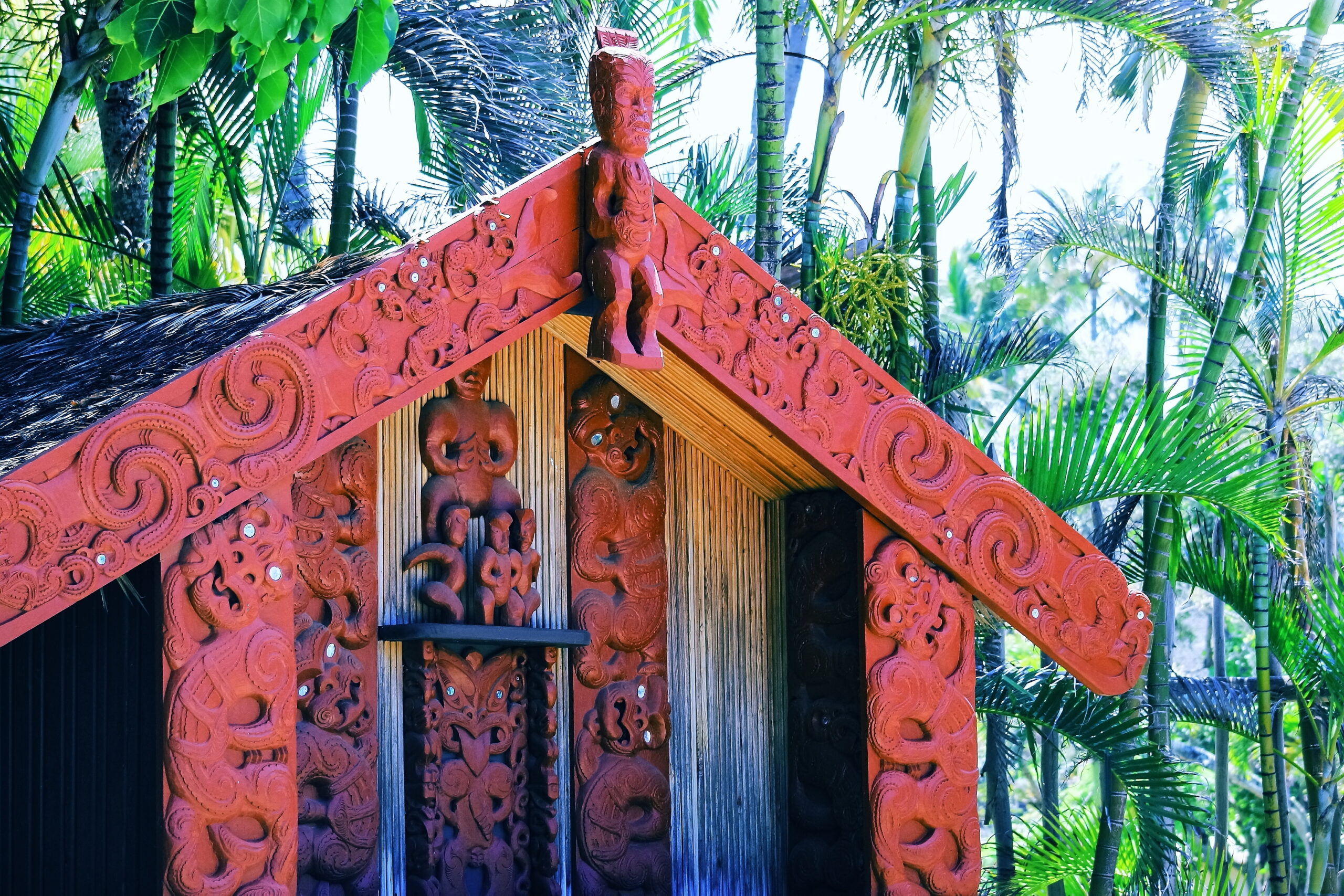
This paper acknowledges the lack of consistent guidelines for researchers and research teams in New Zealand regarding the governance and ownership of research data collected from Māori individuals or collectives. The article discusses challenges encountered by one research team as it negotiated data ownership and governance of rongoā Māori (tradiational Māori healing). The paper describes ways in which traditional knowledge may be protected in a modern intellectual property law context and how to adequately support those, often community-based organisations, who work at the interface between Indigenous knowledge and the Western world.