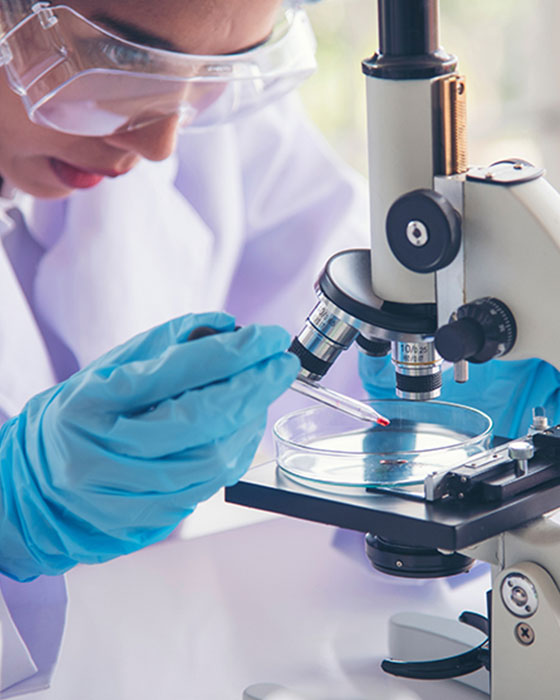
A New Zealand-funded research project, Te Mara Ira (2020–2015), explored Māori views on biobanking and genomic research for the development of culturally appropriate guidelines. Key informant interviews and workshops conducted with Māori explored their views on biobanking and genomic research. Interviews and workshops were subsequently held with Māori and non-Māori key informants (Indigenous Advisory Panel [IAP] members and science communities) to explore three key issues in relation to Māori participation in biobanking and genomic research: 1. Why should Māori/Indigenous communities participate in biobanking and/or genomic research? 2. What are the key issues for Māori/Indigenous participation in biobanking and genomic research? 3. How might we address these issues? The informants felt that Māori need to be more involved in governance and decision making to ensure the wider health benefits are realised from Māori participation in biobanking and genomic research. It was identified that the level of transparency and accountability must increase in relation to these activities so that Māori communities feel that their whakapapa, rights and interests are being appropriately protected. There was acknowledgement of the need to protect Māori interests through Māori control of samples and data. It was suggested that community consent is required to gain support for participating in any genomic project. It was also perceived that greater feedback and communication with Māori participants should help to reinforce positive sentiments and trust in these research activities.